28 May 2026
World Cup 2026 Betting Projections Signal Record U.S. Wagers Across Platforms
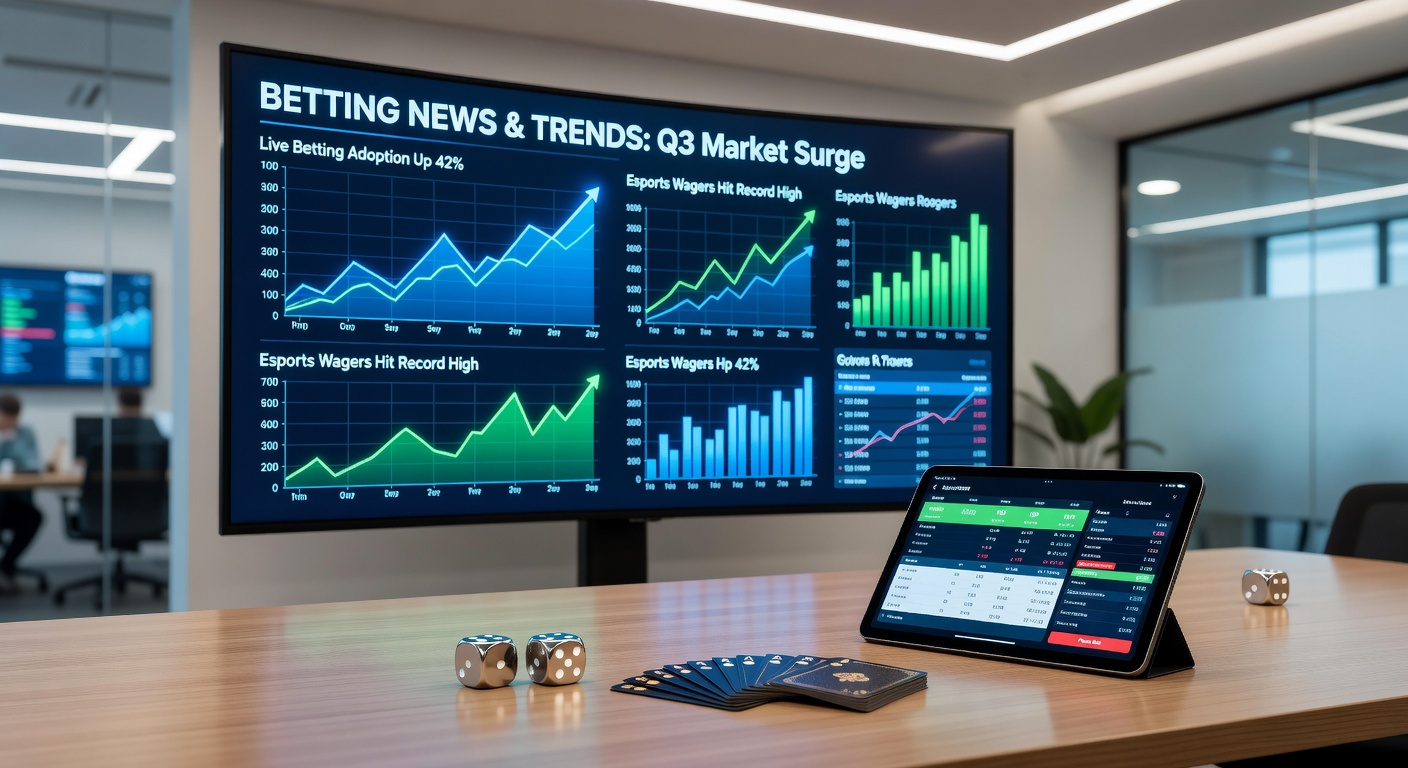
As May 2026 progresses observers note mounting anticipation around the upcoming FIFA World Cup which kicks off June 11 across host nations the United States Canada and Mexico and projections indicate this edition could generate unprecedented gambling activity within American markets. Legal sportsbooks operating in dozens of states stand to handle an estimated 3.1 billion dollars in wagers on tournament matches while prediction platforms such as Kalshi and Polymarket could attract another 2.4 billion dollars in activity according to industry forecasts. Those combined totals would eclipse the 1.8 billion dollars recorded during the 2022 event in Qatar and analysts attribute the growth to expanded legalization since that time along with broader public familiarity with digital wagering options.
Scale of Expected Handle and Market Expansion
Multiple states now permit online sports betting which allows residents to place wagers through regulated apps without traveling to physical locations and this infrastructure supports the larger projected volume for 2026. Prediction markets add another dimension because they permit trading on event outcomes in ways that resemble financial exchanges yet remain distinct from traditional bookmakers. The combined reach means participants can engage through several channels simultaneously and data compiled ahead of the tournament shows how these avenues together create a larger overall market than existed four years earlier.
Survey Data on Planned Participation
A PwC poll conducted in April among more than two thousand American adults revealed that 58 percent intend to place at least one wager during the tournament whether through licensed betting apps prediction exchanges fantasy contests or informal arrangements with friends. Among those respondents approximately one third indicated plans to risk 250 dollars or more across the course of the competition which suggests both widespread interest and meaningful individual stakes. Figures like these help quantify expected activity levels and researchers often cross reference such surveys with transaction data once events conclude.
Comparison With Prior Tournaments
During the 2022 World Cup in Qatar American bettors wagered roughly 1.8 billion dollars through available channels yet the upcoming edition benefits from additional states that have since legalized online sports betting and from greater integration of prediction market tools into everyday use. Observers note that regulatory changes since 2018 have steadily increased access while mobile technology improvements have reduced friction for new participants. Consequently projections for 2026 reflect both population growth in betting states and higher per capita engagement rates compared with earlier cycles.
Legal Framework and Platform Diversity
Legal sports betting now operates in dozens of U.S. jurisdictions which means millions of adults can access licensed operators through smartphones or computers and those platforms must comply with state specific rules on age verification and responsible gaming features. Prediction markets function under separate regulatory oversight yet they offer complementary products focused on binary outcomes or probability ranges. People who have studied market trends point out that this mix of traditional books and event contracts gives participants varied risk profiles and payout structures within the same overall event.
Preparation Among Operators and Regulators
Operators have been expanding server capacity and refining odds models in preparation for the concentrated period of matches that begins in June while regulators continue to monitor compliance and consumer protections. The tournament schedule features 48 teams in an expanded format which creates more games and therefore more betting opportunities across group stages knockouts and final rounds. Industry reports indicate that marketing campaigns and educational content about new platforms have intensified during spring months to reach potential users before the opening match.
Conclusion
Projections centered on 3.1 billion dollars through sportsbooks and 2.4 billion dollars through prediction markets position the 2026 World Cup as a landmark period for U.S. gambling activity and the PwC findings of 58 percent planned participation underscore the breadth of interest. As the calendar advances toward June observers continue to track regulatory developments and platform readiness to assess how actual figures align with pre tournament estimates.