16 Aug 2026
U.S. Sports Betting Sector Expands Rapidly While Addiction Concerns Draw Fresh Regulatory Attention in 2026

Analysts tracking the U.S. sports betting market report continued expansion through the first half of 2026 with record handles across multiple states and platforms, while accessibility improvements have drawn new participants into the system. Data compiled by industry observers shows operators posting strong revenue figures even as some jurisdictions implement tighter oversight measures, and this pattern has prompted renewed discussion about both the economic scale of the sector and the social costs tied to problem gambling behaviors.
Market Growth and Platform Accessibility
Figures released in recent months indicate that total betting volume reached new highs during the spring and early summer periods, driven by expanded mobile options and broader state-level legalization that began after the 2018 Supreme Court decision. Operators have introduced features such as simplified account registration, live betting interfaces, and loyalty structures that reduce barriers for casual users, and these changes coincide with increased participation rates reported in states that legalized earlier in the decade. Observers note that the combination of digital convenience and widespread advertising has contributed to the current scale, whereas earlier markets relied more heavily on physical retail locations and limited promotional channels.
Controversies Surrounding VIP Programs
Attention has focused on FanDuel’s VIP programs after reports surfaced detailing aggressive retention tactics aimed at high-volume customers, including personalized credit offers and expedited withdrawal processing that some critics argue encourage sustained play among those already showing signs of addiction. Regulatory filings and media coverage from August 2026 highlight instances where participants in these programs faced significant financial losses, prompting calls for stricter limits on targeted marketing and enhanced player protection protocols. Industry representatives have responded by pointing to existing responsible gaming tools, yet the debate continues because data from several states shows rising treatment referrals linked to online sports betting activity during the same period.
Record Handles Amid Rising Scrutiny
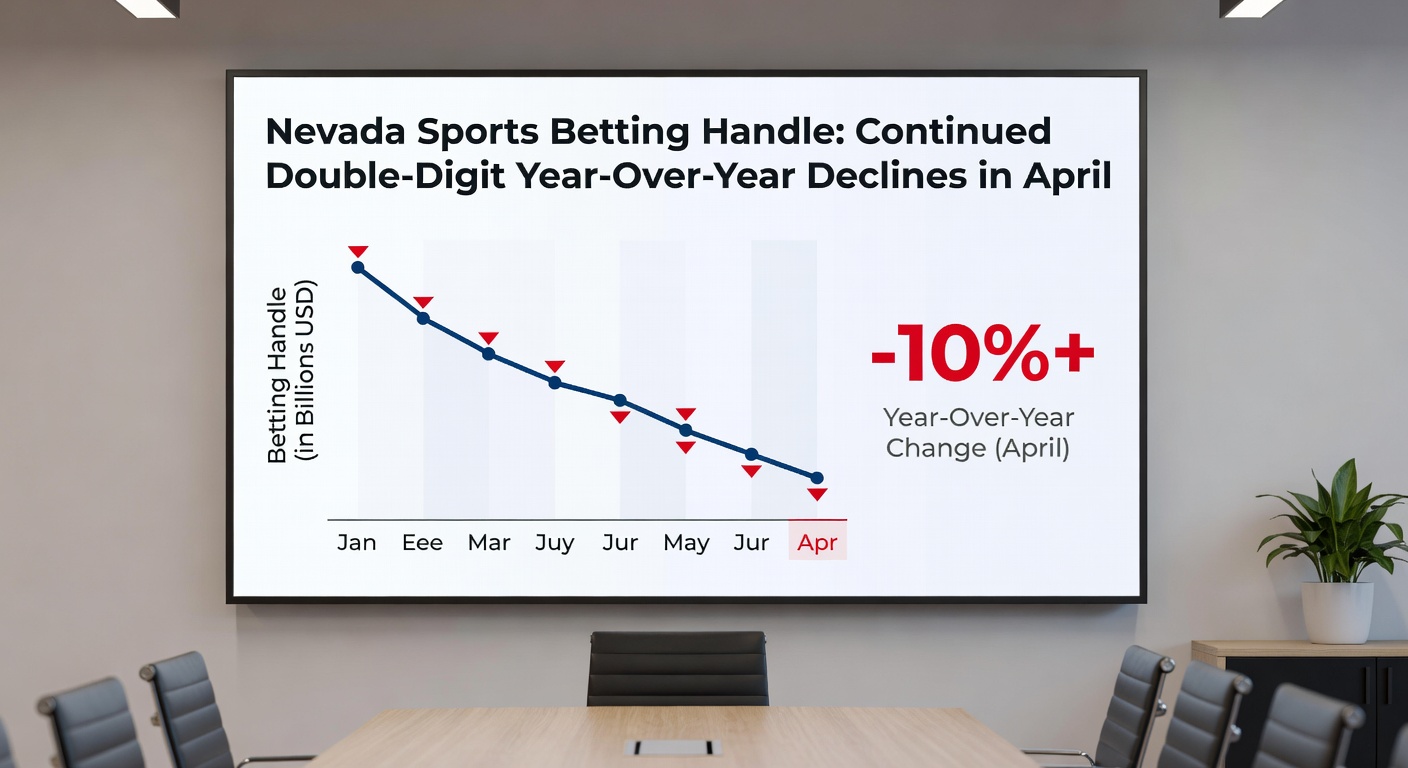
State gaming commissions across the country have documented handle totals that exceed previous annual benchmarks, with combined figures surpassing prior records by double-digit margins in several key markets. This growth has occurred alongside increased regulatory reviews, including audits of operator practices and public hearings on the adequacy of current harm-reduction standards. Researchers affiliated with academic institutions have begun releasing preliminary findings that connect certain product features, such as instant deposit options and promotional bonuses, to higher rates of disordered gambling, and these studies have informed ongoing legislative proposals in multiple jurisdictions.
Public Health and Policy Responses
Health agencies and gambling research centers have tracked an uptick in calls to helplines and enrollment in treatment programs since the expansion accelerated, with some reports linking the trend directly to the proliferation of mobile betting apps. Policymakers in states with mature markets have introduced measures ranging from mandatory spending caps on VIP accounts to requirements for clearer risk disclosures, while federal-level discussions have centered on potential funding increases for prevention and research initiatives. Data shared by organizations such as the National Council on Problem Gambling provides context on the national scope of these issues, and similar monitoring efforts appear in reports from Canadian provincial regulators that have compared cross-border patterns in participation and harm.
Additional context comes from studies conducted by research groups in Australia that examined long-term outcomes following rapid market liberalization, offering comparative insights that U.S. regulators have referenced during recent sessions. These analyses emphasize the importance of monitoring high-intensity bettors and evaluating whether current safeguards sufficiently protect vulnerable populations without unduly restricting recreational access.
Conclusion
The U.S. sports betting landscape in August 2026 reflects simultaneous expansion in volume and participation alongside documented challenges related to addiction and program oversight. Record handles continue to generate substantial revenue for operators and tax collections for states, yet the visibility of controversies surrounding VIP incentives has intensified calls for refined regulatory frameworks. Ongoing data collection from government agencies, academic researchers, and industry watchdogs will likely shape the next phase of policy adjustments as stakeholders balance economic benefits with public health considerations.