20 Aug 2026
Time Zone Shifts and Goal Scoring Patterns in Soccer Leagues Spanning Multiple Continents
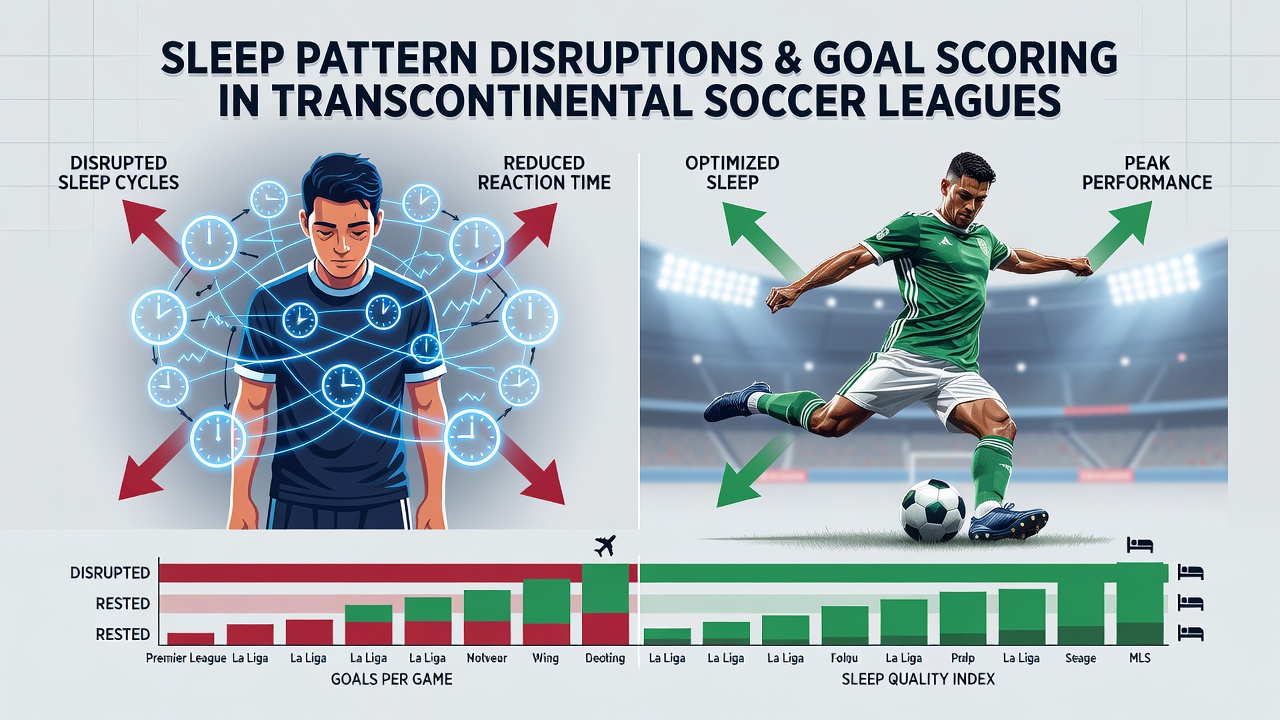
Transcontinental soccer leagues bring together clubs and national sides across vast distances, which means athletes regularly navigate multiple time zones within short windows, and this travel creates measurable effects on sleep cycles that researchers have tracked through performance metrics in matches played during 2026. Data collected from leagues such as those organized under CONCACAF and certain UEFA club competitions show that teams arriving after long-haul flights post lower conversion rates on scoring opportunities in the first 48 hours after arrival, while recovery windows of four days or more correlate with restored output levels according to studies published by the International Society of Sports Nutrition.
Circadian Rhythm Basics in Athletic Contexts
Human circadian rhythms regulate alertness, reaction speed, and decision-making processes, yet when players cross several time zones the internal clock lags behind local time, which leads to fragmented sleep and reduced peak performance windows during evening matches; observers note that core body temperature rhythms shift gradually at roughly one hour per day, so a squad traveling from South America to North American venues in August 2026 often competes before full adaptation occurs. Research indicates that melatonin suppression and elevated cortisol from disrupted rest directly influence neuromuscular coordination, and this chain of physiological responses appears in match logs where goal tallies drop by measurable margins in opening periods.
Performance Data Across Recent Seasons
League records compiled through 2025 and into the summer of 2026 reveal that squads facing eastward travel of six or more hours register fewer shots on target in the initial halves of games compared with home fixtures or shorter domestic trips, while westward journeys show slightly milder effects because they align better with natural sleep extension. Analysts tracking metrics from multiple federations have documented these patterns through video analysis and GPS workload data, confirming that sleep efficiency scores below 80 percent precede declines in finishing accuracy during set pieces and open play transitions alike.
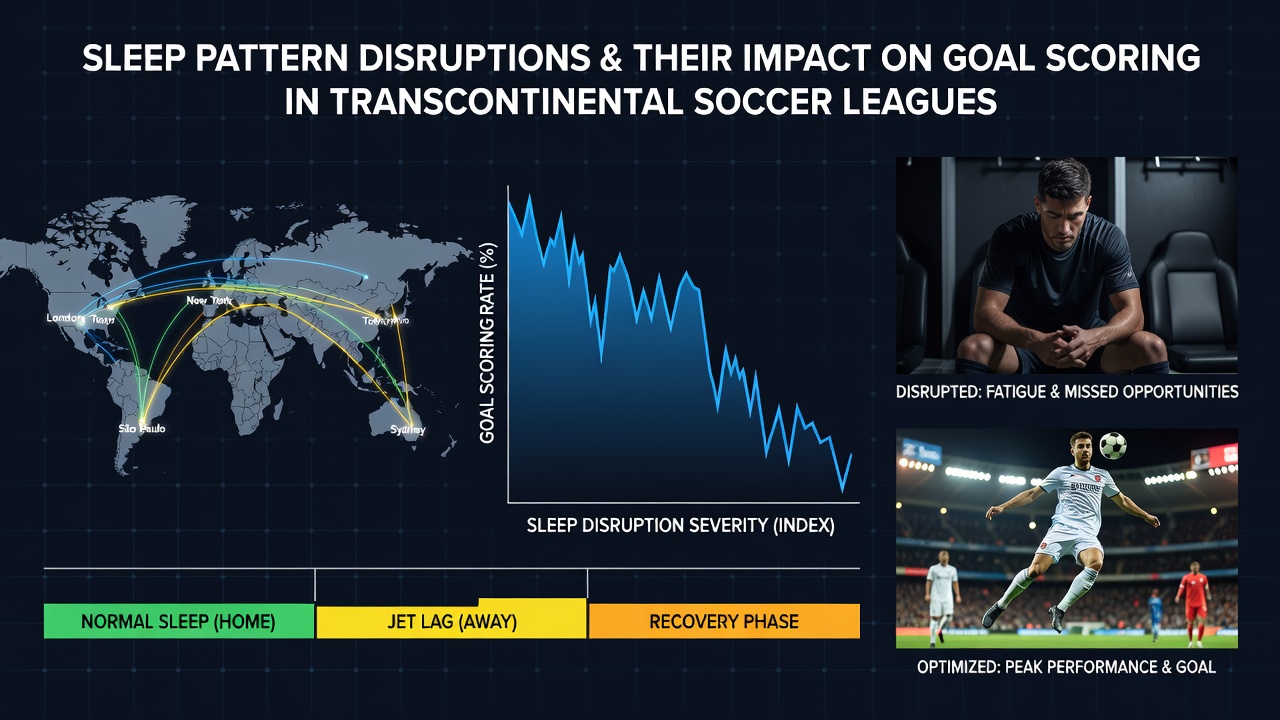
One study released by the Australian Institute of Sport examined similar transcontinental schedules and found that teams with access to scheduled light exposure protocols and adjusted meal timing recovered faster, which translated into higher goal expectancy values once the third match day arrived. European club competitions that stretch across continents have supplied parallel datasets, and the figures show consistent dips in high-intensity running distances during the first 30 minutes when sleep duration falls short of seven hours on average.
Recovery Protocols and League Scheduling Factors
Coaches and medical staff now incorporate targeted interventions such as strategic napping windows, blue-light blocking before rest periods, and gradual schedule shifts in the days leading up to departure, yet implementation varies widely across organizations and the results appear in the statistical spreads between well-resourced and smaller-budget clubs. August 2026 schedules for intercontinental tournaments have highlighted these differences, with some federations adjusting kickoff times to accommodate visiting sides while others maintain standard evening slots that clash with visitor circadian lows. Data from the Canadian Soccer Association and parallel reports from South American confederations indicate that clubs utilizing chartered flights with onboard sleep pods record smaller disruptions in goal output compared with commercial routing, underscoring the role of travel logistics in final match outcomes.
Those who have reviewed injury and performance databases note that cumulative sleep debt across a congested fixture list amplifies the initial jet-lag effect, which produces extended recovery curves lasting up to a week when multiple time-zone crossings occur back-to-back. Match reports from the current season document how teams that prioritize individualized sleep tracking through wearable devices achieve steadier scoring averages even after demanding transcontinental legs.
Broader Implications for League Operations
League administrators have begun factoring sleep science into fixture construction, and preliminary adjustments in 2026 calendars demonstrate modest improvements in goal distribution across visitor and home sides alike. Academic groups at institutions such as the University of Cape Town continue to publish longitudinal findings that link consistent rest patterns to sustained offensive production, while government health agencies in Australia and Canada have issued guidelines encouraging federations to integrate circadian support into standard operating procedures. These efforts produce observable shifts in aggregate scoring data without altering teh fundamental competitive balance that defines transcontinental play.
Conclusion
Available evidence demonstrates that sleep pattern disruptions from transcontinental travel exert measurable influence on goal scoring rates in affected soccer leagues, with recovery timelines and mitigation strategies determining the duration and severity of performance dips. Continued collection of biometric and match data through the remainder of 2026 will refine understanding of these relationships and support scheduling refinements that align with physiological realities across diverse time zones.