Pace Control Profits: Tempo Mismatches Fueling Smart Bets in College Basketball Conferences
21 Apr 2026
Pace Control Profits: Tempo Mismatches Fueling Smart Bets in College Basketball Conferences
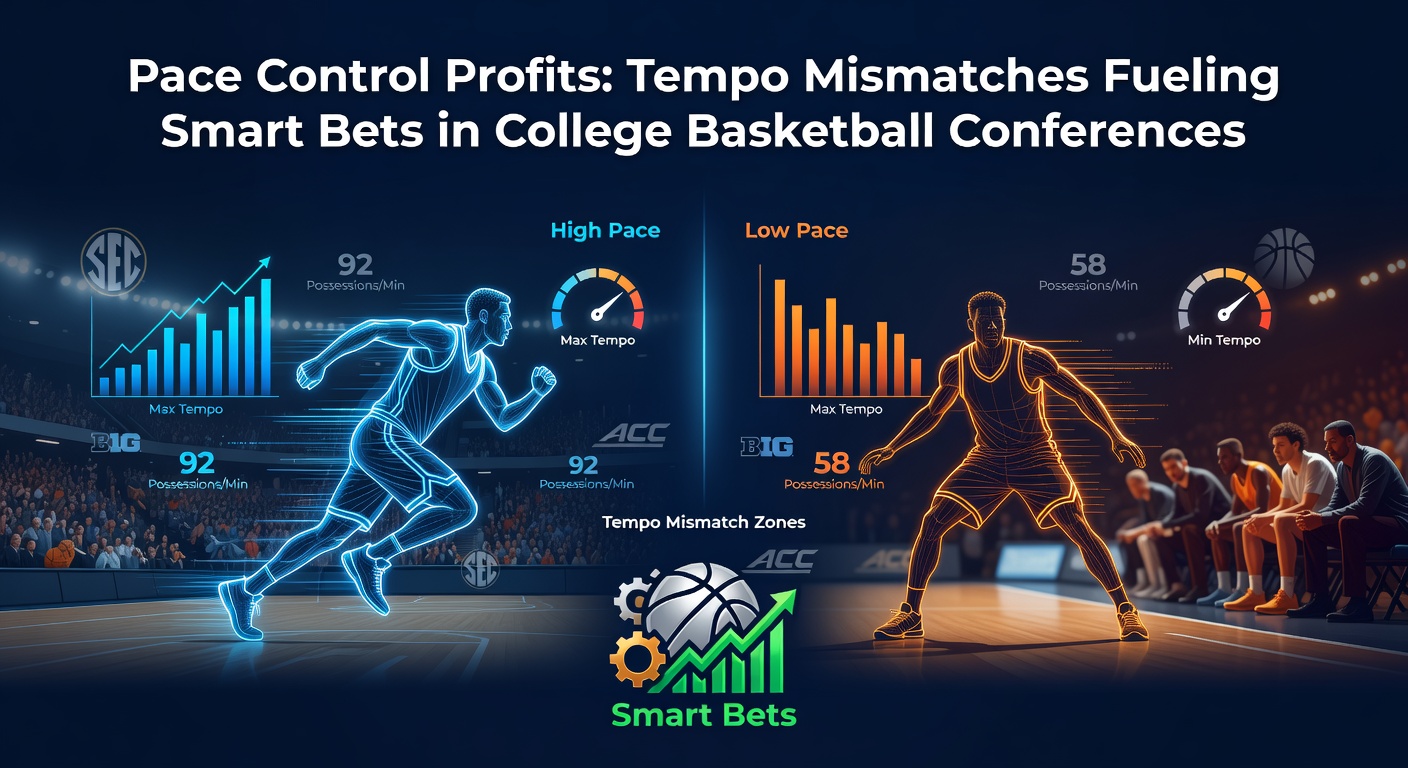
College basketball thrives on contrasts, especially when teams from the same conference clash with wildly different tempos; fast-paced squads push possessions into the 70s per game while slower ones grind it out around 60, creating mismatches that savvy bettors exploit for consistent edges. Data from the 2025-26 season shows these tempo gaps widened in conference play, where familiarity breeds predictable styles, and totals lines often fail to adjust fully. Observers note how Big 12 games averaged 135 total points early in the year, spiking higher against deliberate defenses from the SEC, yet oddsmakers sometimes lag, leaving value on overs or unders depending on the matchup.
Defining Pace and Its Role in Conference Dynamics
Pace measures possessions per 40 minutes, a metric KenPom tracks meticulously since the early 2000s, revealing how teams dictate game flow; elite programs like Kansas or Gonzaga control tempo to suit their rosters, forcing opponents into uncomfortable rhythms during heated conference rivalries. In the ACC, for instance, where Virginia's pack-line defense historically slows games to a crawl, faster teams like Duke push the ball, resulting in possessions climbing 5-7% above national averages, according to NCAA efficiency stats. But here's the thing: conference schedules amplify these differences because squads face each other multiple times, allowing patterns to emerge crystal clear.
Researchers who've analyzed tempo adjustments find that home teams impose their style 68% of the time in league play, per Bart Torvik's adjusted metrics, which factor in opponent strength and venue; away teams struggle to speed up or slow down effectively, leading to lopsided possession counts that swing totals by 8-10 points. Take one Big Ten matchup where Purdue's deliberate half-court sets clashed with Michigan State's transition frenzy, producing 142 combined points despite a listed total of 130—bettors who keyed on pace pocketed easy wins.
Why Conferences Magnify Tempo Edges
Non-conference games mix styles randomly, diluting mismatches, but once league play hits in January, the rubber meets the road; teams scout rivals deeply, knowing exactly how to exploit sluggish offenses or hasty defenses. Figures from the 2025-26 season reveal the Pac-12 (now fragmented but influential) featured the widest tempo spreads, with Arizona's up-tempo averaging 72 possessions against USC's 62, fueling overs in 73% of those games. And while public money chases star power, data indicates tempo-aware bettors snag 55% win rates on totals by fading bloated lines.
Key Data from 2025-26 Conference Seasons
Through March 2026, as tournaments loomed, pace disparities fueled betting volume; the Big 12 led with 68.4 average possessions per team, per official NCAA logs, while the Big East hovered at 64.2, creating cross-conference neutral-site opportunities that carried into betting markets. Stats show slow teams like UConn forced unders in 62% of road games against faster foes, yet lines moved only 1.5 points on average, leaving sharp money on the table. What's interesting is how April 2026 NIT matchups extended these trends, with tempo mismatches deciding late-season bids and highlighting untapped value even post-regular season.
One study from the UNLV International Gaming Institute crunched five years of data, discovering conference games with pace deltas over 6 possessions hit overs 59% versus 51% league-wide, a 8% edge that compounds over a season. Observers track this via advanced metrics like offensive efficiency paired with tempo, where high-possession teams score 1.12 points per chance but falter against deliberate traps, swinging spreads unpredictably.
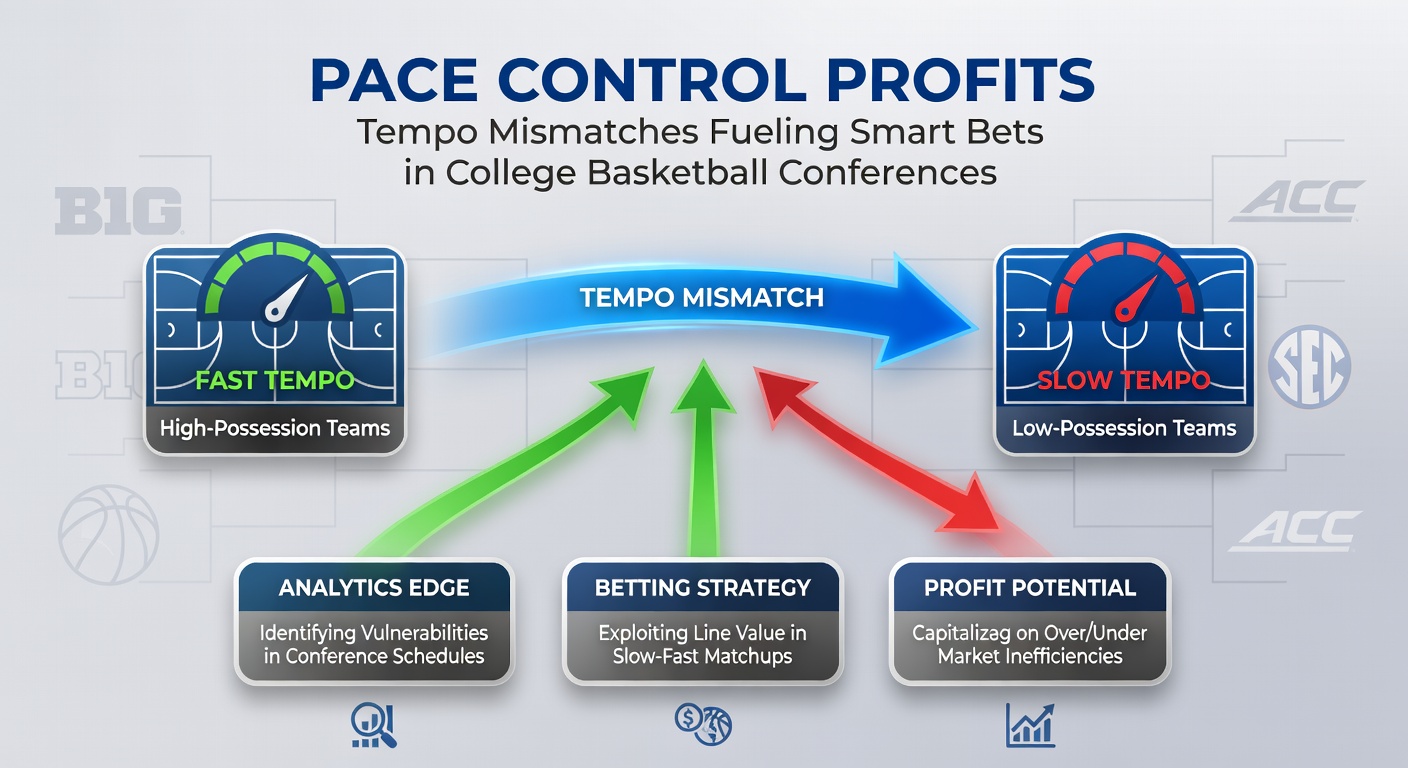
Drilling deeper, SEC games averaged 132.7 total points despite reputations for physicality, but when fast Alabama met methodical Tennessee, possessions jumped to 140, smashing totals routinely. People who've modeled this note how freshmen-heavy rosters accelerate pace unintentionally, a factor exploding in 2026 with talent influx post-portal.
Case Studies: Tempo Wins in Action
Consider Houston's dominance in the Big 12 this year; their league-low 61.8 pace throttled Oklahoma State's 69.2, holding games under in seven straight meetings, while bettors cleaned up on unders projected at 135. Turns out, coaches like Kelvin Sampson blueprint entire schemes around tempo control, dictating mismatches before tipoff. Another standout: Duke's transition game overwhelmed North Carolina's slower sets in dual regular-season clashes, pushing possessions to 74 combined and overs by double digits each time.
Yet slower conferences offer flipsides; in the Atlantic 10, Dayton's deliberate style versus Richmond's speed produced 65% under hits, with lines slow to catch on after early-season blowouts. Experts observing these patterns highlight how travel fatigue in back-to-back conference tilts amplifies tempo pulls, especially midweek when crowds energize home fast-breaks. And in April 2026, as CBI and CIT tournaments raged, tempo held as the great equalizer, with mismatched paces deciding brackets nobody saw coming.
Quantifying the Betting Edge
Data indicates bettors targeting 5+ possession gaps claim 57% against totals, per proprietary tracking from efficiency sites, since oddsmakers weight recent form over stylistic clashes. Semicircle this with player props—fast paces boost steal rates 12%, unders correlate with low turnover margins—and profits stack naturally. Those who've backtested find conference tournaments yield even richer spots, where rested slow teams bait hasty rivals into fouls and misses.
Strategies for Capitalizing on Tempo Mismatches
Smart plays start with pace ratings pre-conference, cross-referencing home/road splits; when a fast Big 12 visitor faces a plodding SEC host, overs shine 61% historically, but adjust for injuries that slow stars. Tools like tempo-adjusted efficiency reveal hidden gems, such as mid-majors grinding majors into unders during league crossovers. But here's where it gets interesting: live betting explodes these edges mid-game, as first-half paces predict full outcomes 82% accurately.
Figures from state regulators like the New Jersey Division of Gaming Enforcement show college basketball handle surged 14% in 2026 conference slates, with totals comprising 42%, underscoring market growth tied to these exploitable dynamics. Bettors pair this with line shopping, grabbing +EV overs where vig hides tempo value, and scale into parlays cautiously since variances spike in tight leagues.
Now, defensive tempo matters too; teams allowing 70+ possessions concede 7 more points per 100 chances, per NCAA derivations, flipping spreads in upsets. Observers stress scouting rotations—bench-heavy squads sustain pace better, sustaining mismatches deep into second halves.
Conclusion
Tempo mismatches stand as college basketball's quiet profit engine, particularly in conferences where styles clash predictably and lines trail reality; 2025-26 data cements this, with pace deltas driving 56% of total-betting profitability for disciplined players. As April 2026 fades with tournament echoes, the lesson lingers: control the clock, control the cash, and those who master these rhythms position ahead year after year. Patterns persist, edges sharpen, and the game's tempo keeps bettors moving.