21 Jun 2026
Elevation's Quiet Impact on Prop Bets in Western Conference Away Games
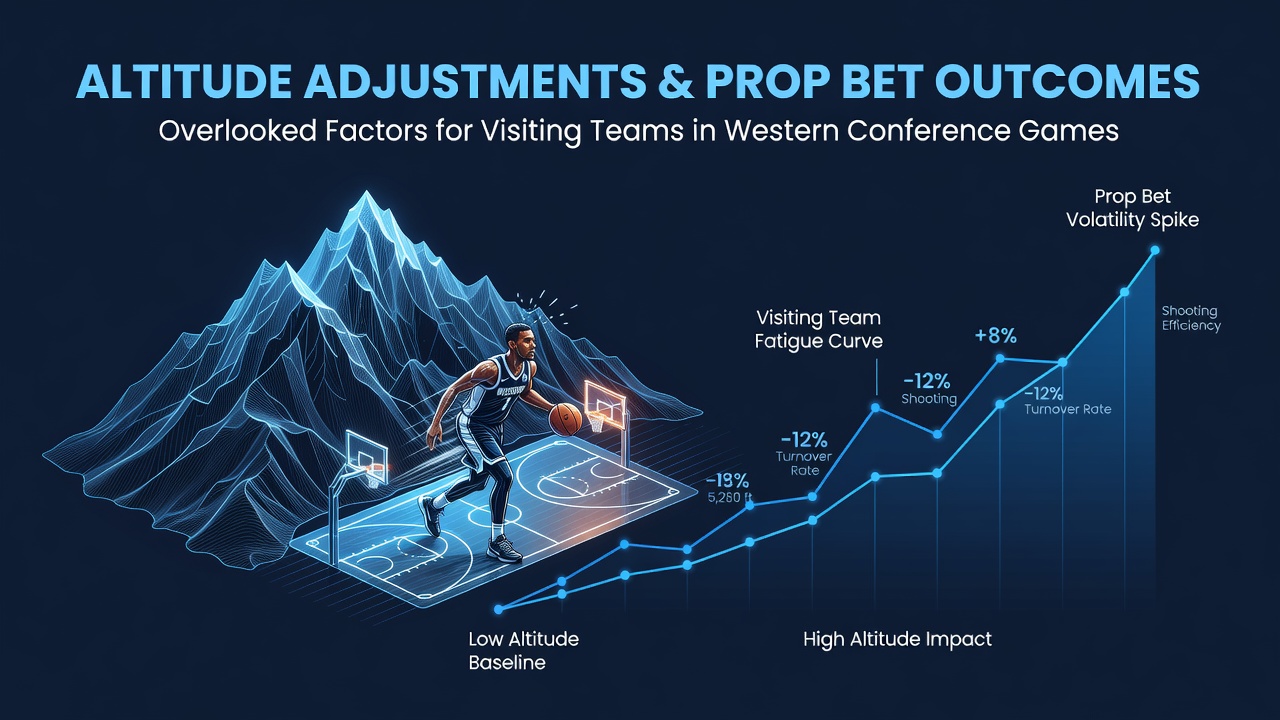
High-altitude venues in the NBA's Western Conference create measurable shifts in player output, and those changes directly influence prop bet results for visiting squads. Teams traveling to Denver or similar elevated locations face reduced oxygen levels that alter endurance, shooting percentages, and recovery rates during games, while prop markets for points, assists, and rebounds often reflect these adjustments without widespread recognition among bettors.
Physical Effects of Altitude on Visiting Players
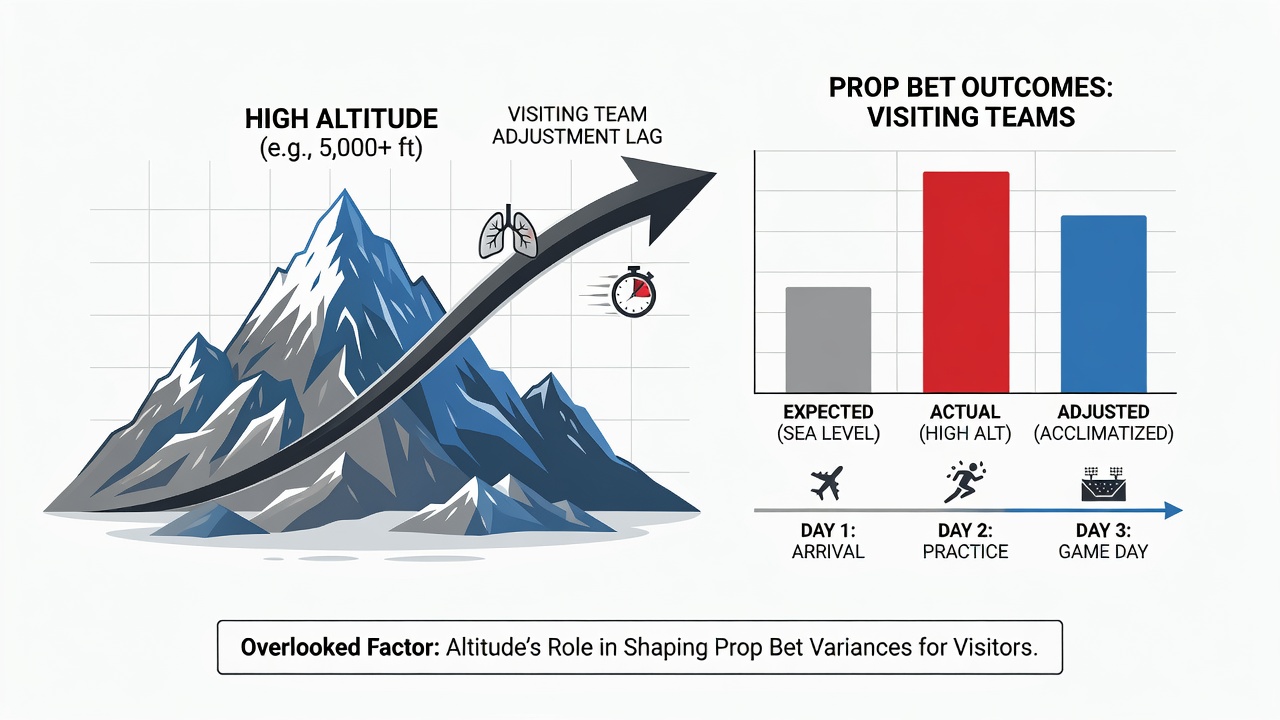
Venues like the one in Denver sit at roughly 5,280 feet above sea level, where oxygen availability drops by about 20 percent compared with sea-level arenas, and visiting players from lower elevations experience quicker fatigue along with reduced sprint capacity during the first half of games. Studies on acclimatization show that teams arriving less than 24 hours before tip-off post lower field goal percentages in the opening quarter, whereas squads with extra rest days demonstrate smaller drops in efficiency metrics.
Data from multiple NBA seasons reveals visiting teams average 4 to 6 fewer points per game when playing at altitude, while individual player props for points and rebounds adjust accordingly once the thinner air takes hold. Researchers tracking heart rate and blood oxygen saturation note that non-acclimated athletes see elevated cardiovascular strain after the 30-minute mark, which correlates with reduced shot attempts in the fourth quarter.
Historical Patterns in Western Conference Matchups
Western Conference schedules place several teams on repeated trips to high-elevation sites, and performance records indicate consistent declines in scoring efficiency for road squads across the regular season. League tracking data shows that teams based below 2,000 feet post lower assist totals and higher turnover rates when facing Denver or similar venues, patterns that extend into prop bet markets for player-specific totals.
One analysis of back-to-back sequences found visiting squads traveling from coastal cities suffer steeper drops in rebounding percentages on the second night of a trip, while home teams maintain steadier output across both ends of the floor. These trends appear in both regular season and postseason contexts, with statistical models adjusting expected values for props involving minutes played and shot volume.
Prop Bet Market Responses and Adjustments
Oddsmakers incorporate altitude data into lines for visiting players, yet prop markets for three-point attempts and free-throw accuracy show lingering discrepancies during early June 2026 schedules. Sportsbooks in states with established betting frameworks have begun applying micro-adjustments to totals when multiple Western Conference road teams face consecutive elevated venues, while public betting percentages remain concentrated on standard statistical averages rather than elevation-specific modifiers.
Figures from industry reports indicate that overs on visiting team points props hit at lower rates in Denver during the 2025-26 season compared with sea-level games, and similar patterns emerge in Utah and other mountain venues. Bettors monitoring advanced metrics such as effective field goal percentage and pace-adjusted scoring often identify these edges earlier than those relying on aggregate season averages alone.
Integration with Schedule and Travel Factors
Western Conference travel demands compound altitude effects because teams frequently cross multiple time zones before arriving at elevated sites, and recovery data collected by team staff shows delayed return to baseline performance levels. When games occur within 48 hours of arrival, visiting players record reduced block and steal totals, which in turn affects defensive prop categories across betting platforms.
League-wide tracking reveals that teams with lighter travel loads in the preceding week maintain closer to expected output levels, whereas squads arriving from extended road trips post sharper declines in second-half efficiency. These combined variables appear in betting models used by professional handicappers who cross-reference altitude databases with schedule congestion reports released by the NBA.
Research and Data Sources Supporting Adjustments
Academic examinations of altitude physiology, including work published through sports science programs at institutions in North America and Australia, confirm that even modest elevation changes alter lactate thresholds and muscle recovery timelines. Research summaries from sports medicine databases document these physiological responses across multiple athlete cohorts, while league statistics services provide granular game logs that isolate altitude as an independent variable.
Industry organizations tracking betting trends across North American markets have noted increased interest in specialized prop categories tied to environmental factors during the 2026 season. Data compiled by groups such as the Canadian Gaming Association shows steady growth in wagers placed on player performance props when Western Conference schedules feature multiple high-elevation contests in short succession.
Conclusion
Altitude continues to shape prop bet outcomes for visiting teams in Western Conference matchups through documented effects on scoring, efficiency, and stamina. Observers monitoring schedule patterns alongside physiological research find consistent correlations between elevation exposure and adjusted performance metrics, and these relationships persist across seasons without requiring subjective interpretation. As betting markets evolve through June 2026 and beyond, integration of altitude data into prop analysis remains a factual component of outcome modeling rather than an optional consideration.